


Featured
News
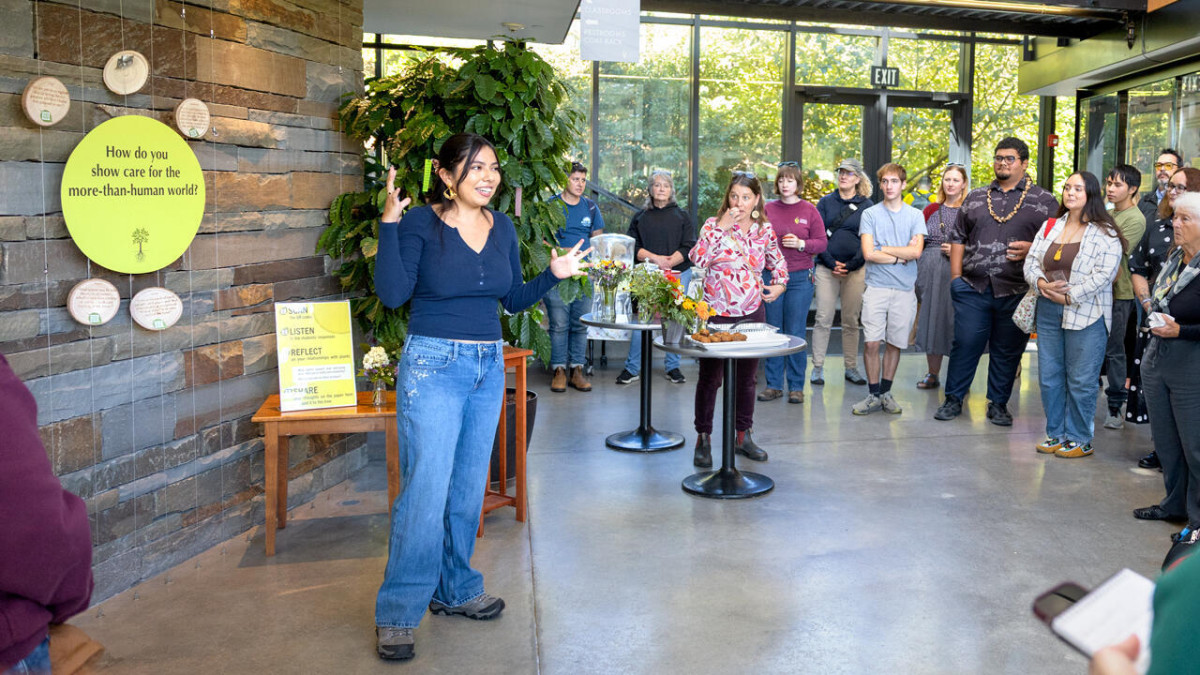
‘Rooted in Reciprocity’: Indigenous students share stories of how plants fuel connection
Cornell Chronicle, October 8,2026—Through plants and personal stories, a new student-led exhibit at Cornell Botanic Gardens explores the concept of reciprocity.
News
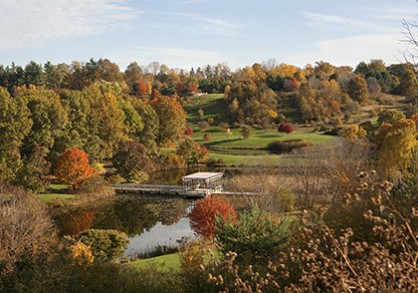
Wet Summer Could Shape New York's Fall Foliage
Times Union, September 20, 2026—Ari Novy, Elizabeth Newman Wilds Executive Director of Cornell Botanic Gardens, discusses the positive impact of summer rainfall on fall foliage in New York.
News
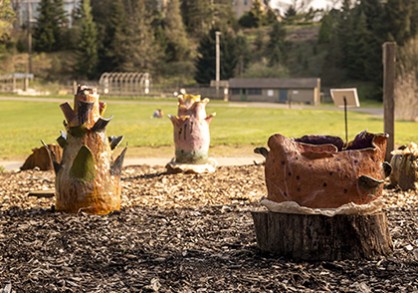
A Botanist’s Dilemma: The Defiant Nature of the Banana Plant
View a video slide show and read artist Faye Pamintuan's first-person essay on the history and meaning of the plants that inspired her to create this art installation.
Upcoming Events

Event
October 30, 2026:
Plant or Treat: A Fun, Fall, Family Scavenger Hunt! at Brian C. Nevin Welcome Center
Come celebrate the season with the PLANTS that make this time of year so special! Drop in anytime between 4:30-6:30 to learn about what is happening in the plant world and...

Event
November 4, 2026:
The Light Eaters: How the Unseen World of Plant Intelligence Offers a New Understanding of Life on Earth
We often recognize agency, decision making, and communication from a distinctly human perspective. However, when we examine the world of plant life, we can see that they too...
Cornell University is located on the traditional homelands of the Gayogo̱hó꞉nǫ' (the Cayuga Nation), members of the Haudenosaunee Confederacy.
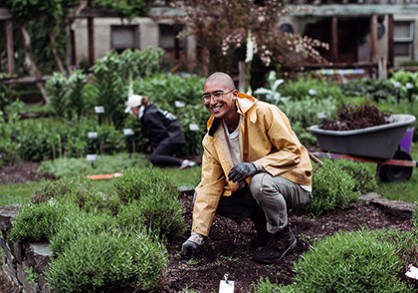
Cornell Botanic Gardens embraces and actively works to increase diversity among all the communities with which we engage.
News
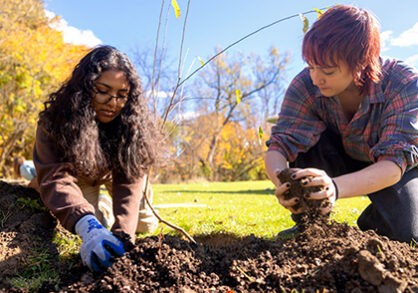
Medicinal garden at Onondaga Nation School grows opportunityStudents in the Learning by Leading program engaged extensively with the Onondaga Nation School on native plants and design ideas.
Our Gardens and Natural Areas
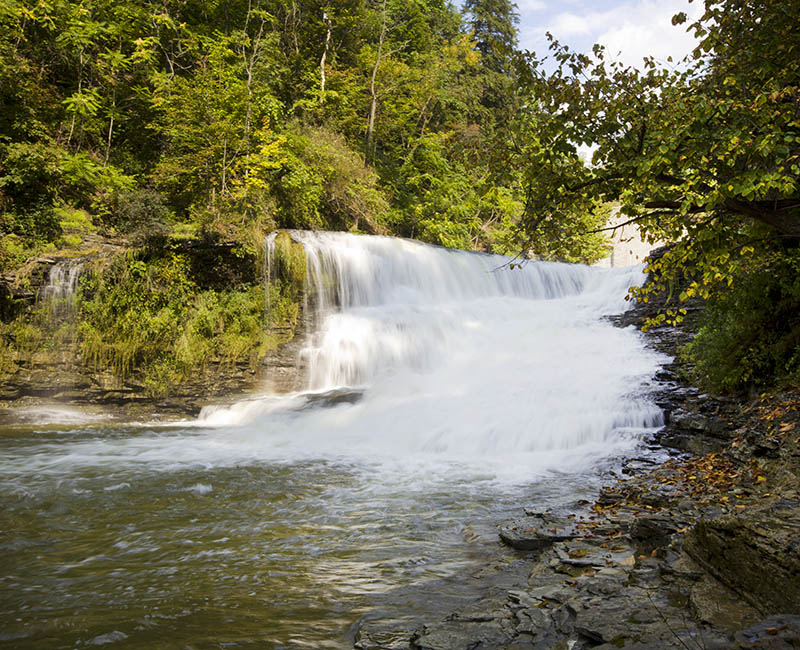
We are responsible for the natural beauty of the Cornell University campus including cultivated gardens, an arboretum, and natural areas. Together these comprise one-third of campus, and with off-campus natural areas, a total of 3,600 acres.
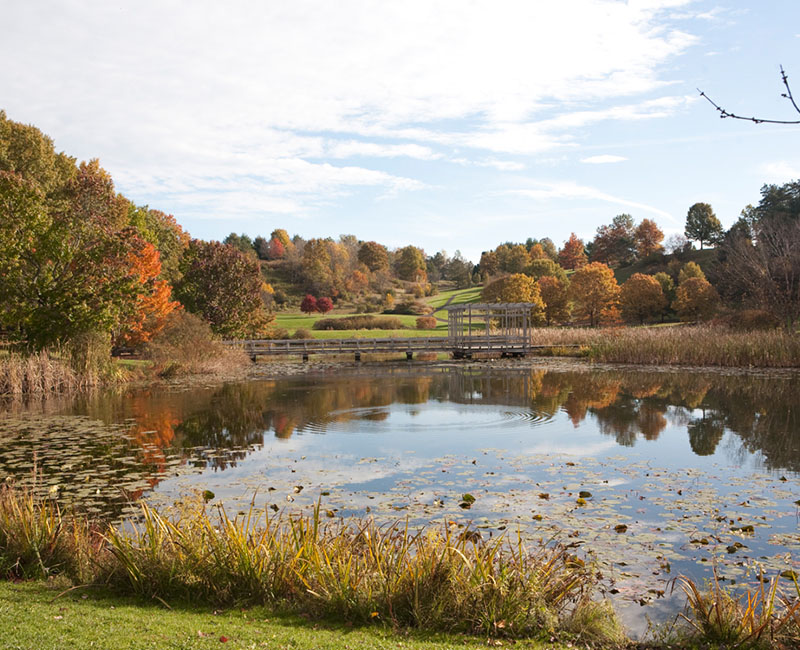
What to see in fall
Fall is a magical time with stunning vistas of fall foliage, ripening produce in our vegetable garden, and ornamental grasses and late-blooming flowers.